The New Year is a great time to dive back into stories that spark meaningful conversations, and Squirrel’s New Year’s Resolutions is one of my favorite picture books for easing into January. The characters face relatable challenges, the storyline is warm and inviting, and it naturally lends itself to teaching the comprehension skill of problem and solution.
Today, I am walking you through a simple, structured way to pair this book with a variety of hands-on classroom activities. These ideas will help students identify the problem each character faces, how those problems are solved, and what lessons the characters learn along the way.
This post includes affiliate links, but I only share items I use and enjoy!
Begin by Introducing the Picture Book
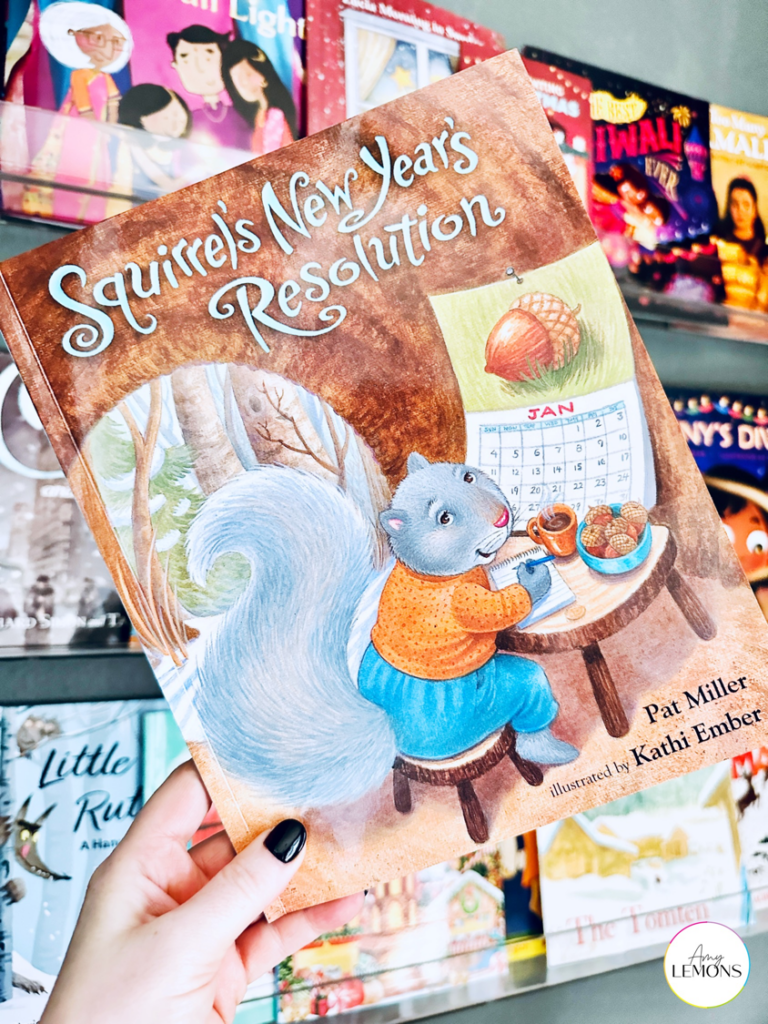
Set the tone for your lesson by previewing the cover and asking a few quick questions about New Year’s resolutions. Invite students to share any background knowledge they have about setting goals or starting fresh in a new year.
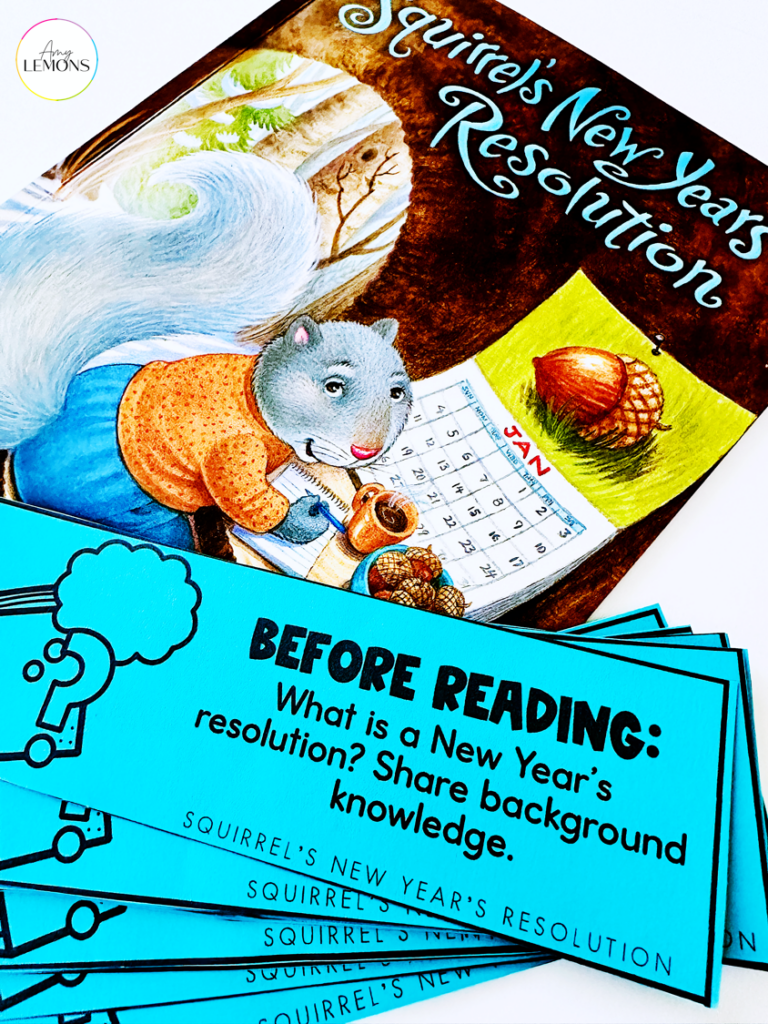
You might ask:
- What is a resolution?
- Have you ever made one before?
- What type of resolution might Squirrel make?
These types of questions help students activate their schema and prepare them to track the problems and solutions that appear throughout the story.
Teacher Tip: Consider adding a fun extension activity, walking students through how to set realistic resolutions or goals. You can see a full breakdown of how to incorporate this into your classroom with these easy-to-follow goal-setting ideas for kids.
Bring the Characters to Life with Visual Cards
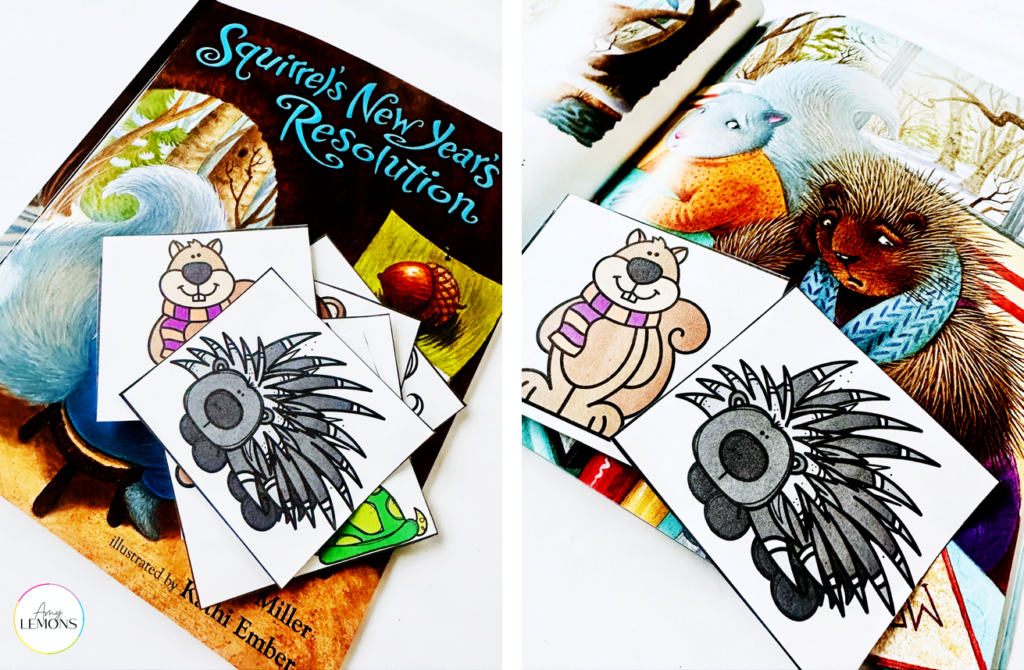
As students meet each character in the book, it can be helpful to display small character cards on the board or in a pocket chart. Each character struggles with something different, so these visuals provide a simple reminder of who is involved in the story and what role they play.
As you read, pause to discuss the challenges each character faces. Guiding questions might include:
- How did Bear support Squirrel?
- What made things difficult for Mole?
- What advice did Rabbit give?
- What problem needed to be solved in this moment?
These conversations help students think deeply about character struggles and begin spotting the problem and solution structure for themselves.
Create a Problem and Solution Classroom Anchor Chart
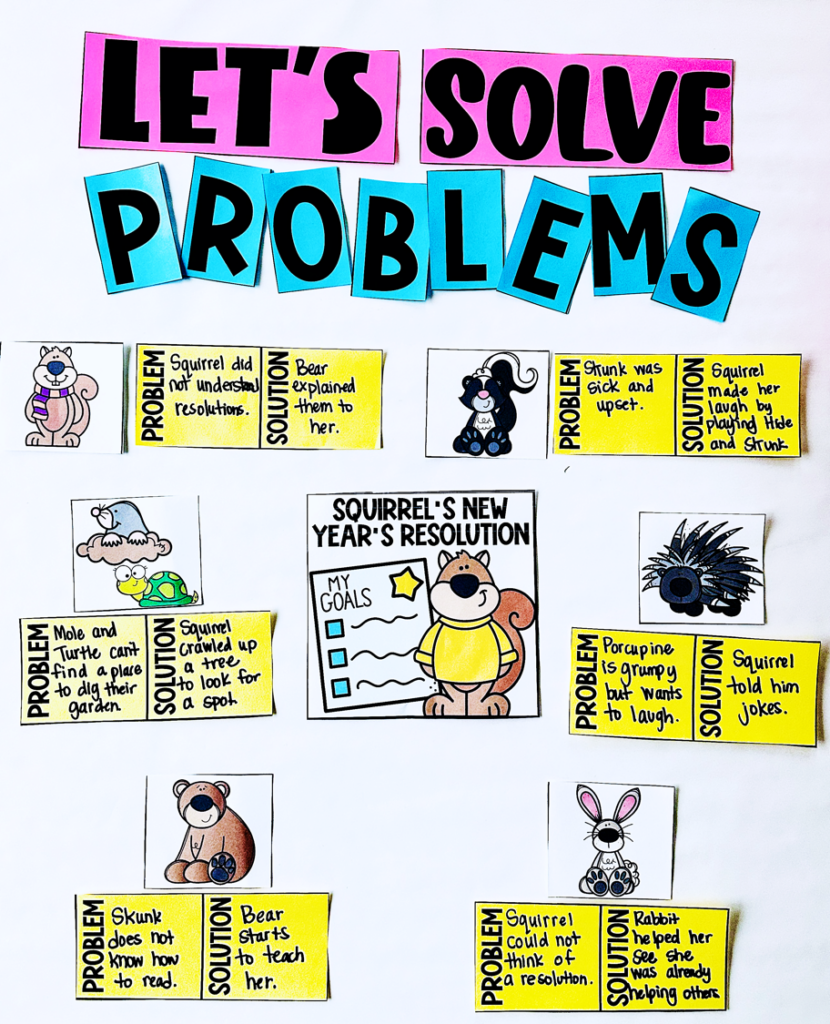
After reading, bring the class together to build a Let’s Solve Problems anchor chart. This chart becomes a visual record of the characters, the problems they faced, and the solutions that resolved each challenge.
You can include:
- A picture or name of each character
- A brief description of their problem
- How that problem was solved
Students love contributing to this type of interactive chart, and it anchors the comprehension skill in a concrete way. It also gives students a mentor example they can refer to as they complete their own work.
Support Understanding with Focus Posters and a Quick Check

Before sending students off to work independently, review what a problem and a solution look like in a story. Simple focus posters with student-friendly definitions can help clarify:
- A problem is the struggle or challenge a character faces.
- A solution is how the character fixes or overcomes that struggle.
You can also provide a quick checklist or sorting tool for students to record whether a character’s problem was solved and who helped them. This can be used during small groups, partner discussions, or as an exit ticket.
Wrap Up with a New Year’s Problem and Solution Craft
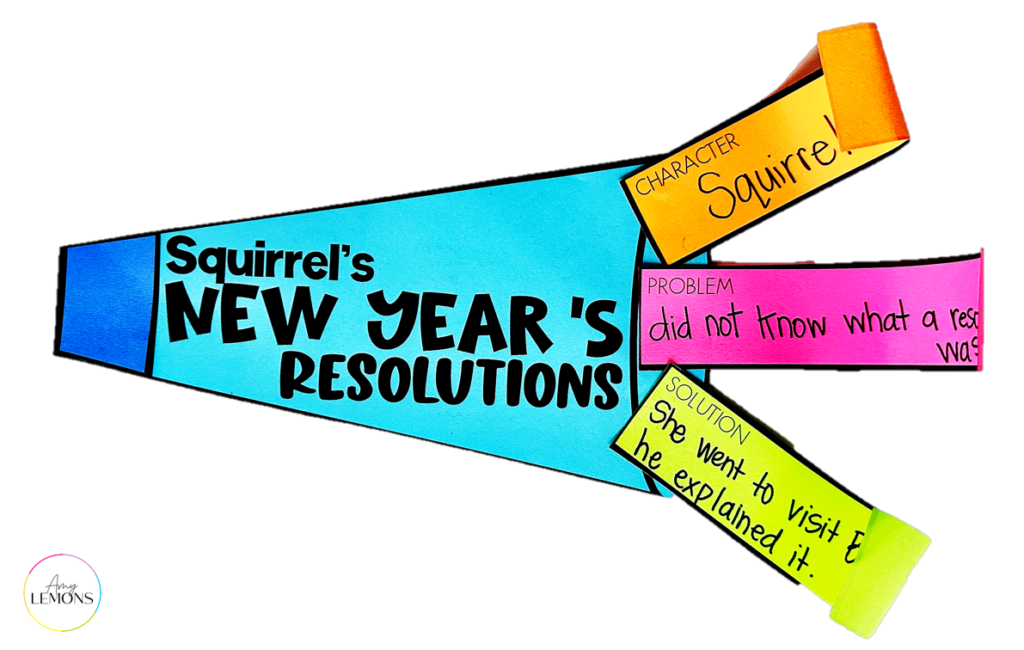
To tie everything together, invite students to complete a New Year’s themed craft that showcases their understanding. A simple format works beautifully:
- Students choose a character
- Identify the problem the character experienced
- Describe the solution
This craft makes a colorful bulletin board display and becomes a great way to celebrate learning as you head into the new year. It also reinforces problem and solution in a hands-on format that is easy for students to explain and share.