

Students are eager for fresh classroom activities after the holidays. That’s because when January rolls around, the pace slows back down, and classroom routines feel familiar again. It is hands-down one of my favorite months to teach, introducing students to new and engaging winter learning activities.
So naturally, this January Edit brings together my favorite winter read-alouds, literacy lessons, grammar practice, hands-on crafts, and math activities that help your classroom ease into the new year with creativity and confidence.
Use this guide as a menu. Pick one activity per week, sprinkle in a few winter reads, or create an entire January theme. No matter how you use it, these ideas are simple, seasonal, and engaging for your students.
THE BOOK EDIT: Favorite Winter Read Alouds

Winter picture books bring such a calm, cozy energy into the classroom. January is the perfect month to lean into those snowy settings, winter characters, and stories that spark meaningful discussions. Here are three winter read-alouds that are always a hit with students and pair beautifully with comprehension skills you are already teaching.
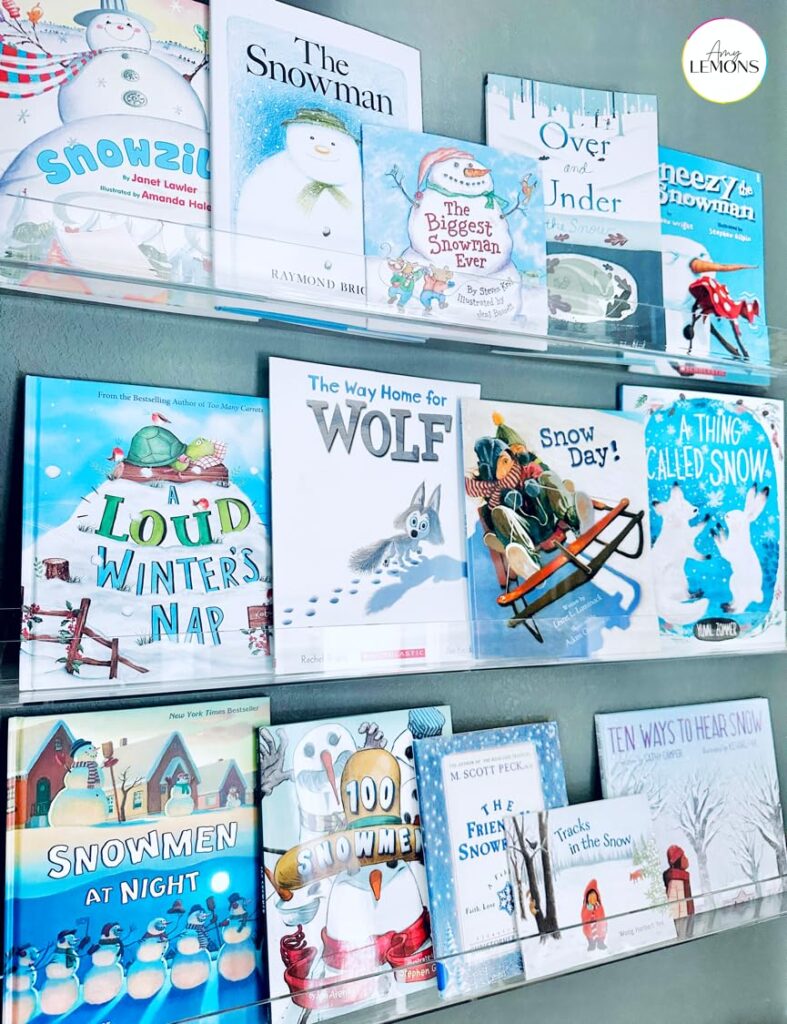
Snowmen at Night
Perfect for: Making Inferences, Visualizing, Cause and Effect
The playful story Snowmen at Night invites students to imagine what snowmen do when the world goes to sleep. The illustrations offer strong visual clues, which makes it perfect for teaching inference skills. Students love noticing small details in each scene and explaining how they know what the snowmen might be doing. You can also extend the lesson with a “What Would My Snowman Do at Night” writing activity or a snowy art project.
Sneezy the Snowman
Perfect for: Sequencing, Predicting, Problem and Solution
Sneezy is cold, then hot, then cold again, and kids instantly get pulled into the repeating pattern. Sneezy the Snowman is the perfect book for practicing sequencing because each event builds naturally on the next.
Students also enjoy predicting what Sneezy will try next—identifying the problem and solution in each attempt. It is a wonderful winter read-aloud for building comprehension in a fun, high-engagement way.
Over and Under the Snow
Perfect for: Nonfiction Connections, Comparing Texts, Visualizing
The beautifully written book Over and Under the Snow blends lyrical storytelling with fascinating science. Students follow a skier through a winter forest and learn what animals are doing above and beneath the snow. It pairs perfectly with nonfiction units and is great for introducing vocabulary, discussing text structure, and comparing fiction and nonfiction winter texts.
Many teachers love to follow up with a mini research project on Arctic or woodland winter animals.
These three books (plus the others in the picture above) give you a strong winter-themed set of read-alouds that connect naturally to your January literacy goals while keeping students engaged and curious.
THE READING EDIT: Nonfiction Text Features

January is the perfect time to reintroduce nonfiction text. Students are ready for structure, and a lesson on nonfiction text features give them something concrete to search for and practice.
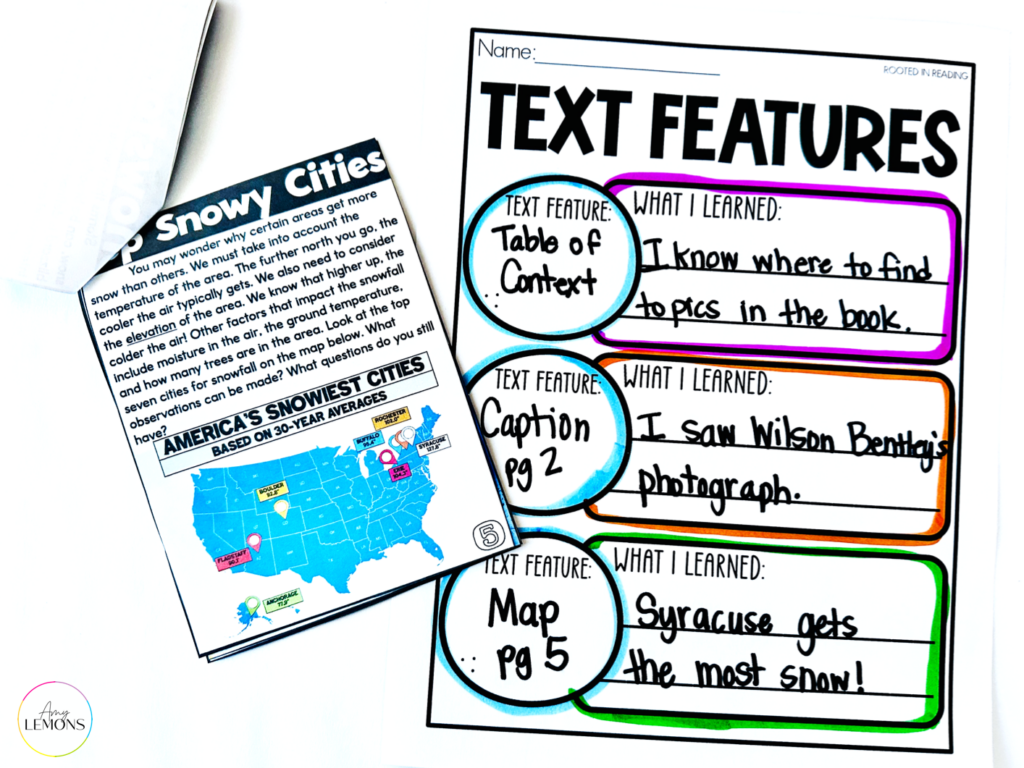
A few easy ways to explore text features this month:
- Create a text features anchor chart: Show examples of headings, labels, diagrams, maps, captions, and bold print using pages from winter themed nonfiction books.
- Use real books for “feature hunts”: Invite students to flip through a book and label what they find with sticky notes.
- Practice identifying each feature’s purpose: Students can record what a feature is and how it helps a reader understand the text.
- Pair text features with winter science topics: Arctic animals, snowstorms, hibernation, and penguins are great entry points for nonfiction reading.
THE GRAMMAR EDIT: Cozy Compound Words

Compound words are a great concept to review at the start of a new semester. Students enjoy breaking apart words, building new ones, and discovering how two small words can work together.
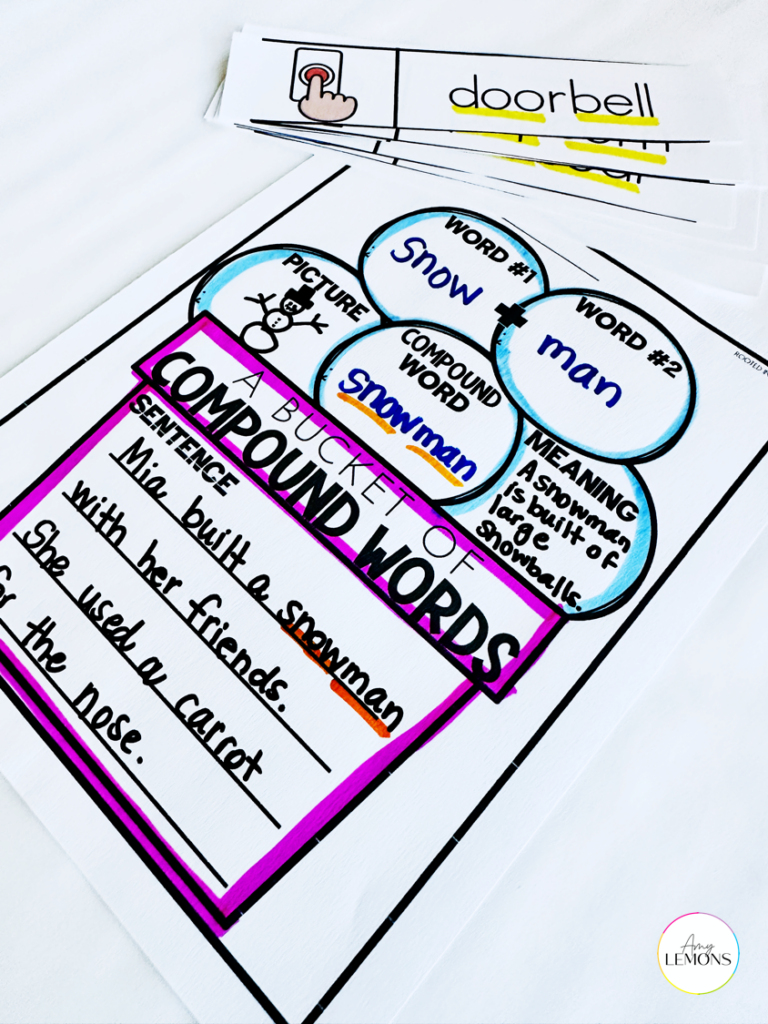
Here are a few low-prep ways to bring compound words into your literacy block:
- Build a compound word anchor chart: Add winter-themed examples like snowball, snowflake, sunscreen, basketball, mailbox, and backpack.
- Use picture cards or flaps to create new words: Students match two words together and determine whether they form a real compound word.
- Practice writing sentences using compound words: This is an easy center or morning work activity.
- Play “Find the Compound Word” in read alouds: Choose a winter book and see how many compound words your students can spot.
THE CREATIVE EDIT: Learn How to Draw a Snowman

January is a great month to add creative breaks into your day. Students need moments to warm up their imaginations, practice fine motor skills, and express themselves.
A simple directed drawing is a perfect fit, and a snowman drawing ties beautifully with winter writing.
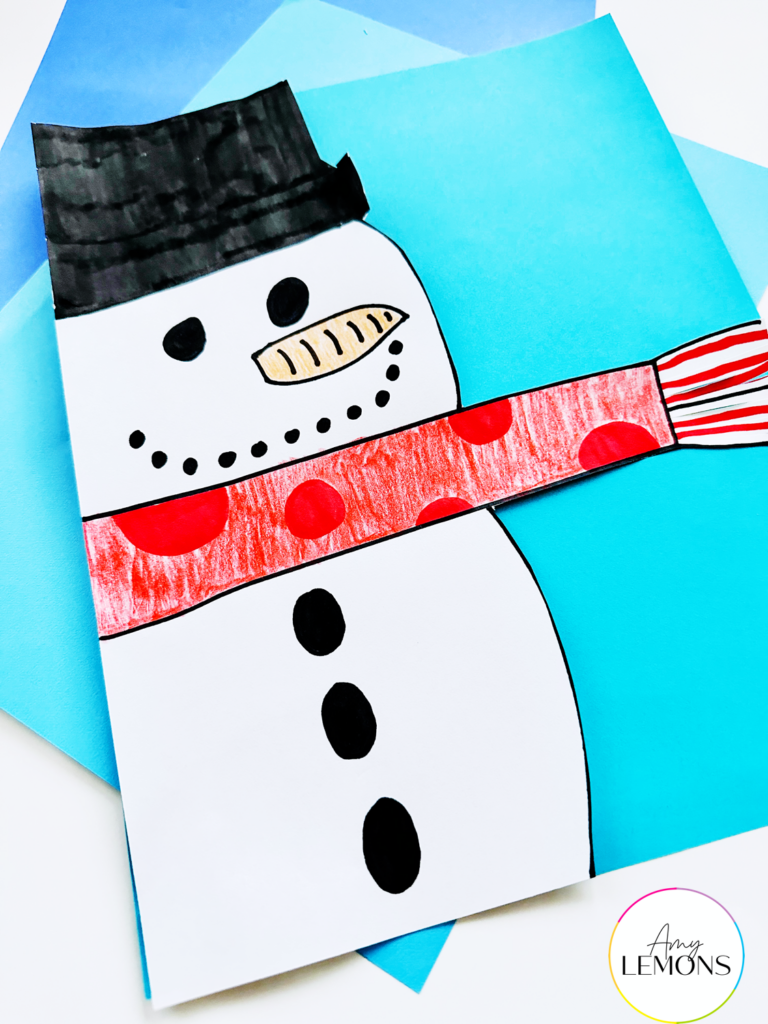
Try pairing your snowman directed drawing with:
- A winter descriptive writing piece: Students describe their snowman using strong adjectives and sensory details.
- A “Meet My Snowman” character story: Students name their snowman, give them a winter adventure, and describe their personality.
- A nonfiction tie-in about snow: Perfect for pairing writing with science.
Creative tasks like this help students ease back into routines in a calm, joyful way.
Grab the FREE Snowman Directed Drawing inside the free resource library!
THE MATH EDIT: Snowmen + Subtraction

If your students need a fun way to ease back into math after winter break, this Snowman Subtraction Activity and Bulletin Board Kit is the perfect January anchor. It brings together hands-on practice and a bright winter display that will instantly refresh your classroom.
This activity works beautifully for whole group lessons, math rotations, or an independent station. Students build their own snowman by solving subtraction problems on each snowball piece.
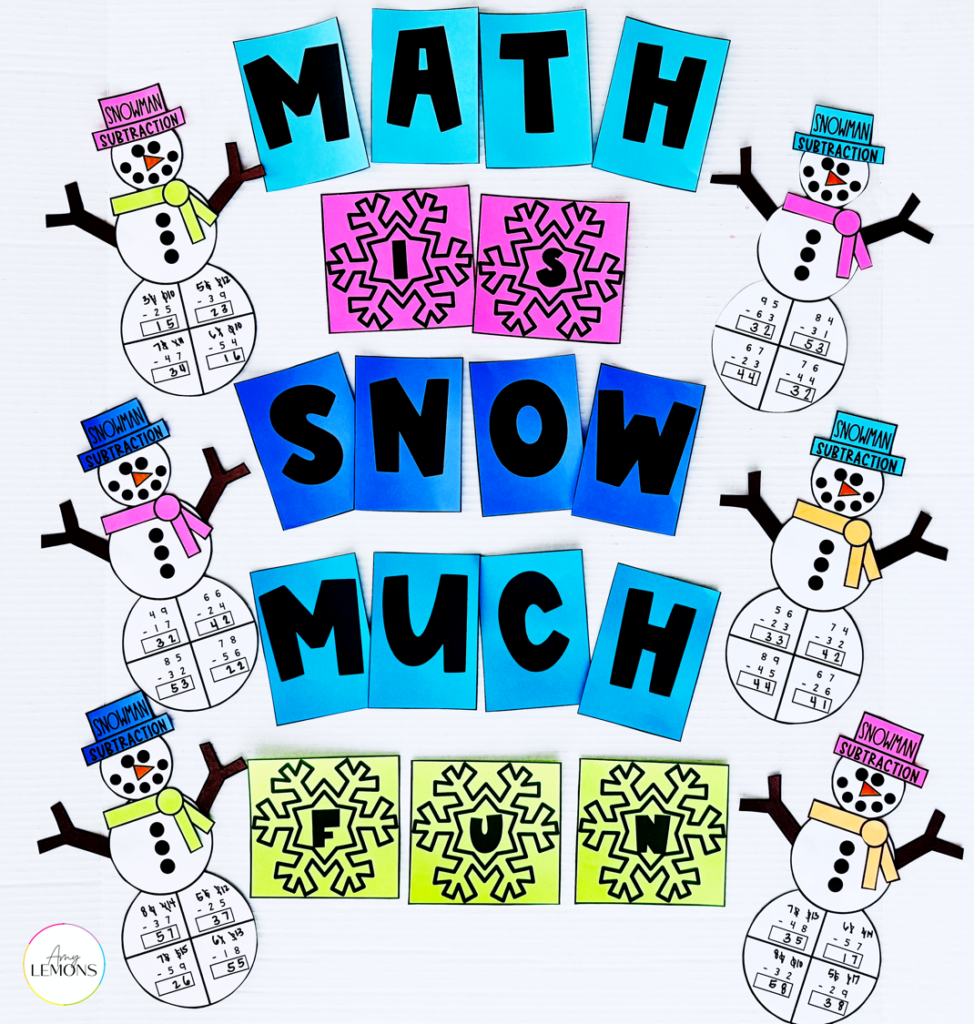
Every snowball represents a new equation, which means students get repeated practice without it feeling repetitive. The challenge level stays just right, and the winter theme keeps motivation high.
Once their snowmen are complete, students add a hat, scarf, buttons, and arms to bring their snowy character to life. The finished pieces look adorable displayed together, and you can turn the entire activity into a bulletin board using the “Math Is Snow Much Fun” title cards shown in the photo. The bright blues, pinks, and greens add a cheerful winter pop that students love.
Teachers enjoy this activity because:
- It reinforces subtraction facts in a hands on way: Each snowball builds fact fluency and strengthens mental math.
- It creates a purposeful winter craft: Students aren’t just coloring. They are building a math powered snowman piece by piece.
- It works for multiple ability levels: You can differentiate by giving students specific sets of subtraction problems or mixing in a few challenge equations.
- It becomes a ready made bulletin board: Your January hallway or classroom display practically assembles itself.
- It makes double-digit subtraction feel fun again: A simple seasonal twist can turn review work into something students genuinely enjoy.