My Mouth Is a Volcano! is often used to teach students about blurting out, but did you know that it could also be used to discuss self-control, empathy, classroom expectations, reading comprehension, and even the important roles involved in creating a book?
By intentionally planning activities before, during, and after reading, this one story can support character education while introducing important literacy concepts —and opening the door to meaningful conversations that students can relate to.
These read-aloud activities work beautifully in first, second, and third-grade classrooms.
Discuss Positive and Negative Classroom Behaviors
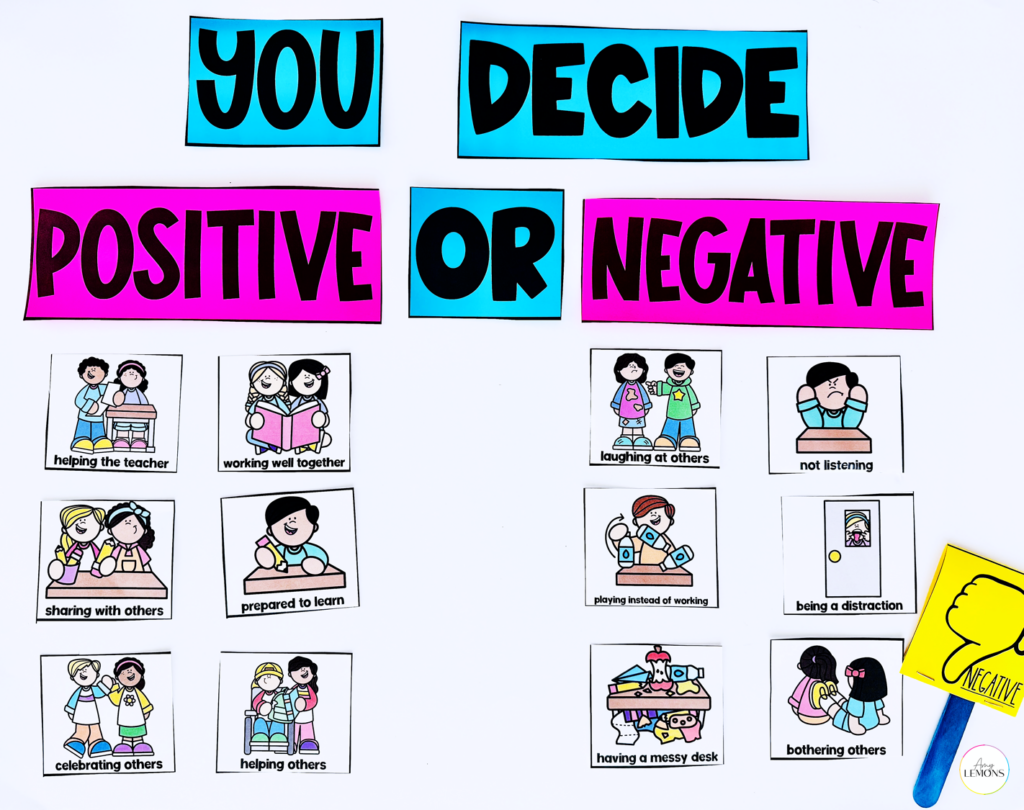
Before opening the book, spend a few minutes discussing what positive classroom behavior looks like. Show students different classroom behavior cards one at a time and invite them to decide whether each behavior is positive or negative.
Students can respond by holding up a thumbs-up or thumbs-down popsicle stick, making this an interactive way for every child to participate. As you discuss each scenario, encourage students to explain why they made their choice. This conversation helps establish classroom expectations while allowing students to think about the choices they make each day.
Connect the Story to Common Classroom Struggles
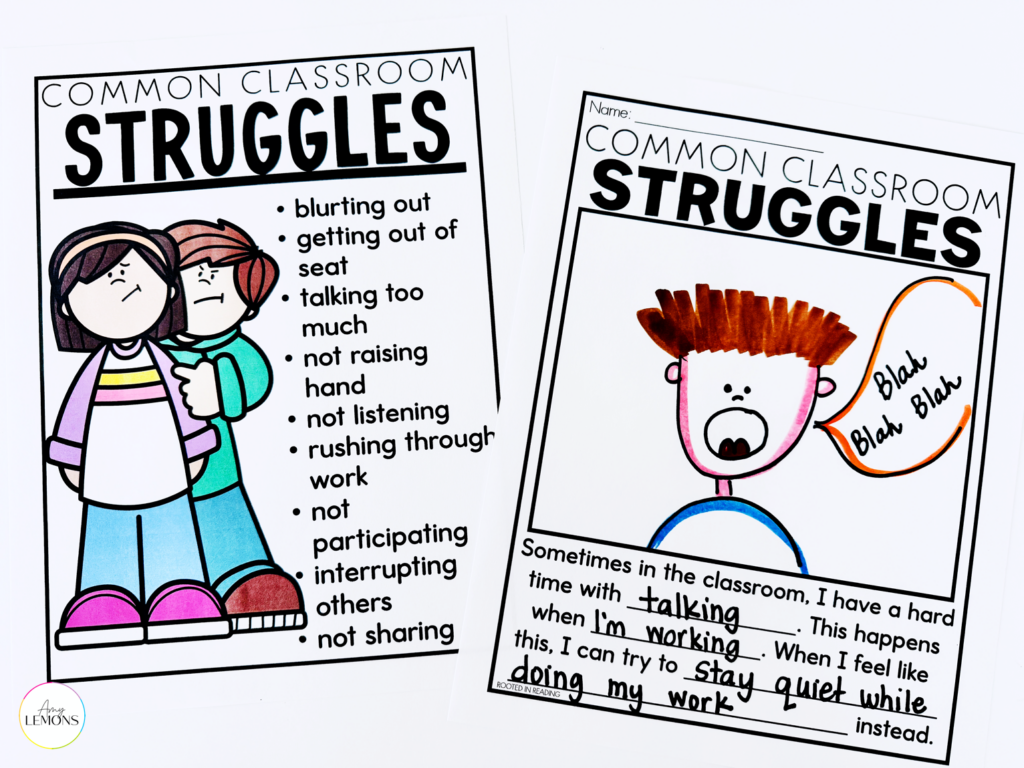
Once students have talked about classroom behaviors, shift the conversation to the idea that everyone has something they are working on. Whether it is blurting out, rushing through work, forgetting to listen, or getting out of their seat, every student has areas where they can grow.
Invite students to complete a reflection page where they write and draw about one classroom struggle they sometimes experience. This activity creates a safe environment for honest conversations while helping students recognize that making mistakes is part of learning and growing.
Read Aloud My Mouth Is a Volcano and Spark Meaningful Discussion
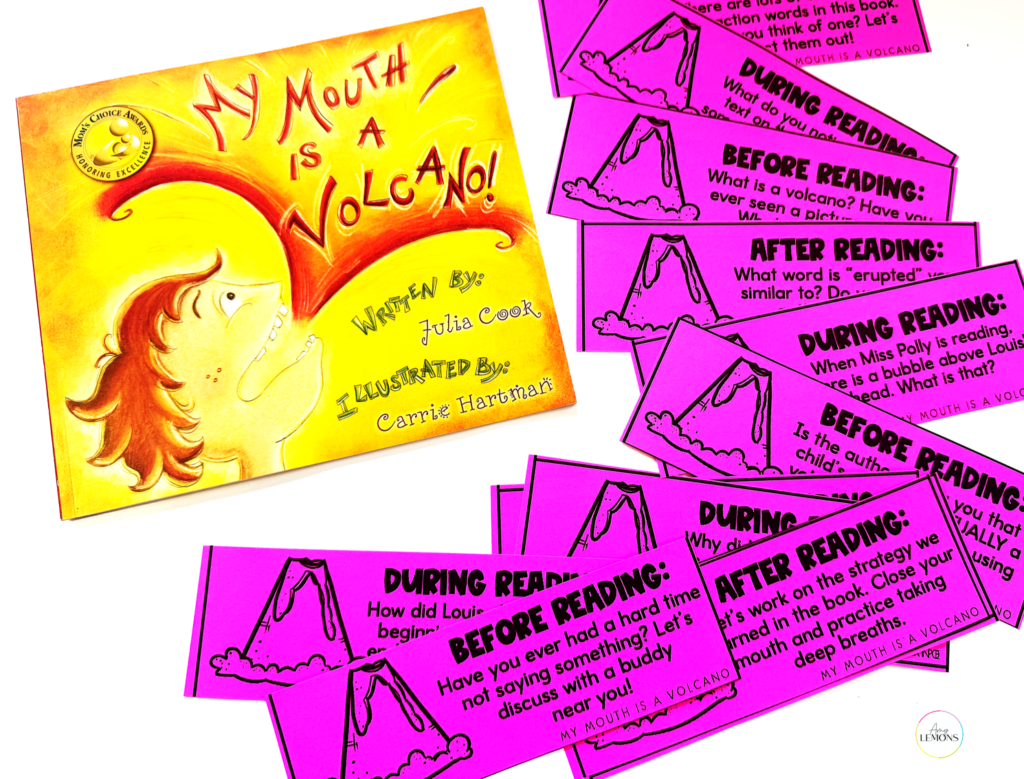
Now it’s time to enjoy My Mouth Is a Volcano! together.
Rather than rushing through the story, pause often to ask thoughtful questions that encourage students to make connections to Louis and his experiences. Talk about why Louis feels the need to interrupt, how his actions affect others, and what he begins to learn throughout the story.
These discussion opportunities help students build empathy while recognizing that everyone has moments when self-control can be difficult. As students share their ideas, they begin to understand that books can teach valuable life lessons alongside entertaining stories.
Introduce Book Jobs with the Author and Illustrator
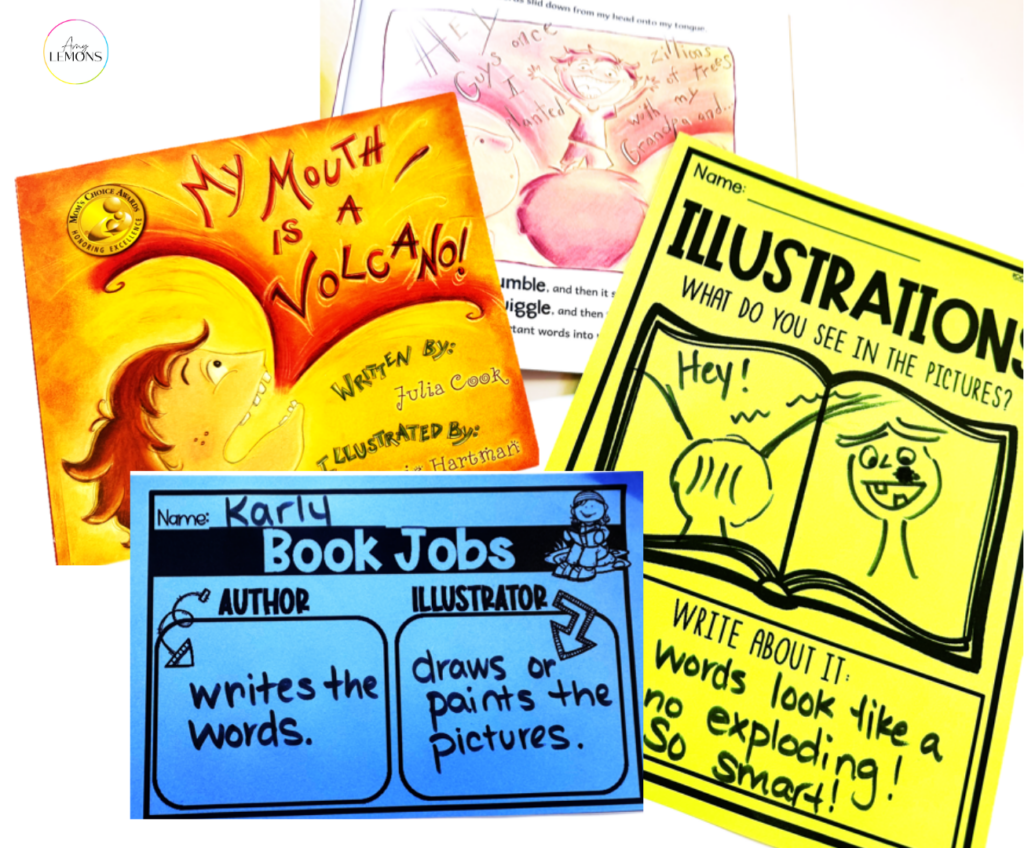
My Mouth Is a Volcano! also provides the perfect opportunity to introduce the important jobs involved in creating a book.
Before reading, point out the author, Julia Cook, and the illustrator, Carrie Hartman, on the cover and discuss the role each person plays . Explain that the author writes the words while the illustrator brings the story to life through pictures. Throughout the read aloud, pause occasionally to notice how the illustrations help readers understand Louis’s emotions and actions.
This simple discussion introduces an important literacy concept that students will continue to build on throughout the year while helping them appreciate the work of both creators.
Reflect on the Lesson Louis Learned
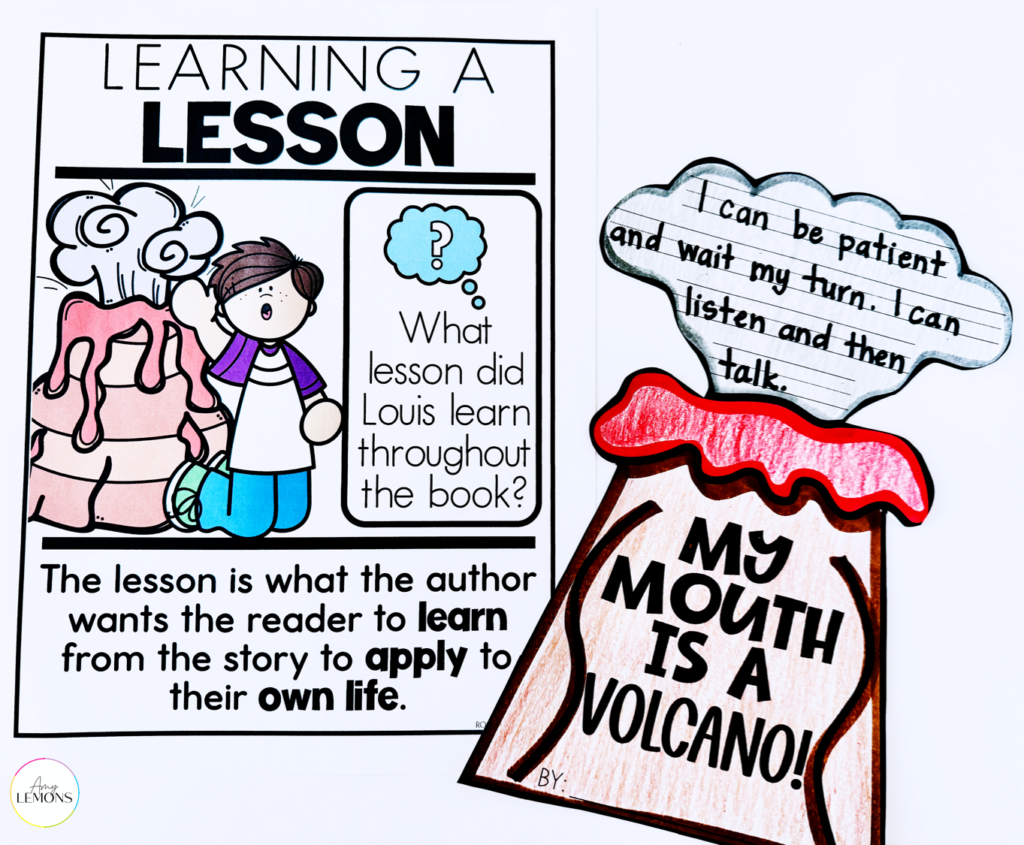
After reading the story, guide students in identifying the lesson Louis learned by the end of the book.
Discuss how good stories often teach readers something they can apply in their own lives. Students can then create their own volcano craft and write about what they learned from Louis’s experience. They might write about:
- Waiting their turn
- Raising their hand before speaking
- Listening respectfully
- Thinking before they talk
This final reflection gives students the opportunity to connect the story to their own behavior while reinforcing the lesson long after the book has been put away.
With thoughtful planning, My Mouth Is a Volcano! becomes much more than a story about blurting out. It becomes a springboard for discussing classroom expectations, encouraging self-reflection, introducing important literacy concepts, and helping students practice life skills they will use every day.
One picture book truly has the power to teach lessons that extend far beyond its pages.
Loved these ideas? Skip the prep and grab the My Mouth Is a Volcano Rooted in Reading unit — every activity in this post, ready to print and teach tomorrow!