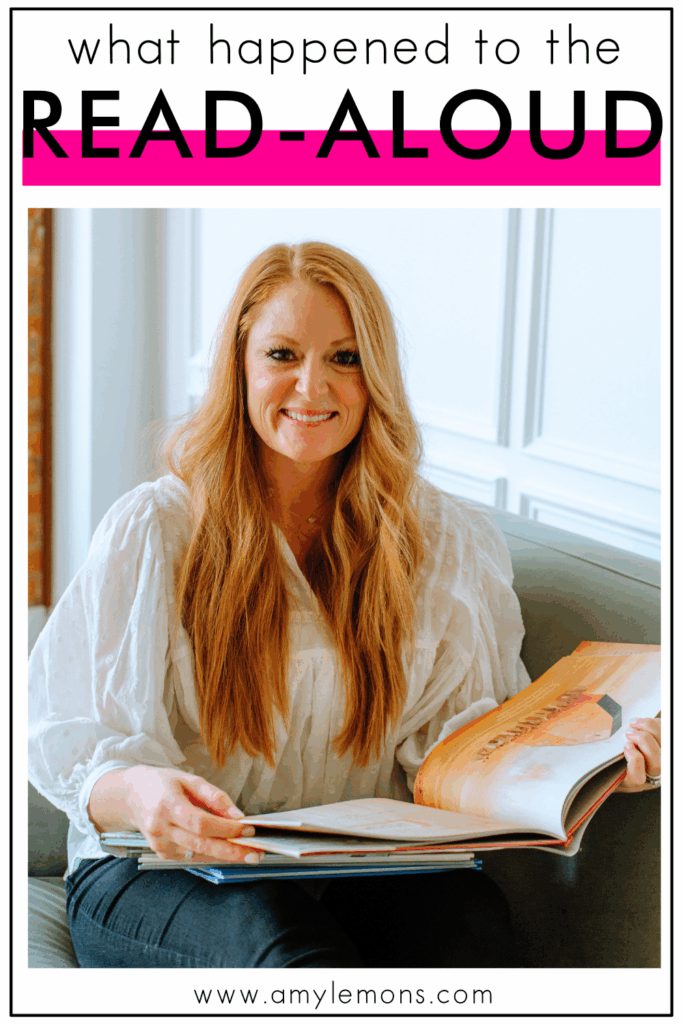
Have you noticed that the daily read-aloud for kids is quickly fading away? Over the years, I’ve had the chance to visit classrooms, sub in different grade levels, and chat with teachers from all over, and it’s the one thing I’ve noticed more and more frequently.
I’ve heard students say things like, “We don’t read during this time,” or “We don’t have story time anymore.” I’ve walked into classrooms that used to have cozy reading corners and baskets of books within reach, but now those spaces have been replaced with Chromebook carts and test-prep materials.
It’s not that teachers don’t want to read aloud. In fact, I think that’s far from the truth. Most of us love story time just as much as our students. But schedules are packed, curriculums are scripted, and the pressure to “fit it all in” is heavier than ever.
Somewhere along the way, the joy of shared reading has been pushed to the side in favor of pacing guides and performance goals.
This isn’t about blame. It’s about awareness. When we pause to notice the shift, we can start to bring back what’s missing, such as connection, imagination, and the magic of story time.
Why Read-Aloud to Children
Here’s the thing: the research has always been on our side. Reading aloud to students is one of the most effective and impactful things we can do, and it doesn’t require anything fancy.
Studies show that read-alouds improve vocabulary, comprehension, and background knowledge. Listening comprehension actually leads reading comprehension, meaning that hearing fluent reading supports the skills students will later use when they read independently.
But beyond the data, the reality is simple: when we share stories, we build community. Kids connect with us, with one another, and with the characters on the page.
I’ll never forget working with 4th- and 5th-grade students a few years back. One day, I brought in a book to read to my intervention groups. I wanted to pair it with a writing skill we were working on. They were shocked that I was going to read aloud a picture book to them. BUT, as I began reading Robot in Love, they went from “too cool” to completely enthralled. Reading to my small groups really helped us connect.
Moments like that remind me that read-alouds teach more than reading skills. They teach empathy, perspective, and the joy of language.
How to Bring Read-Alouds Back
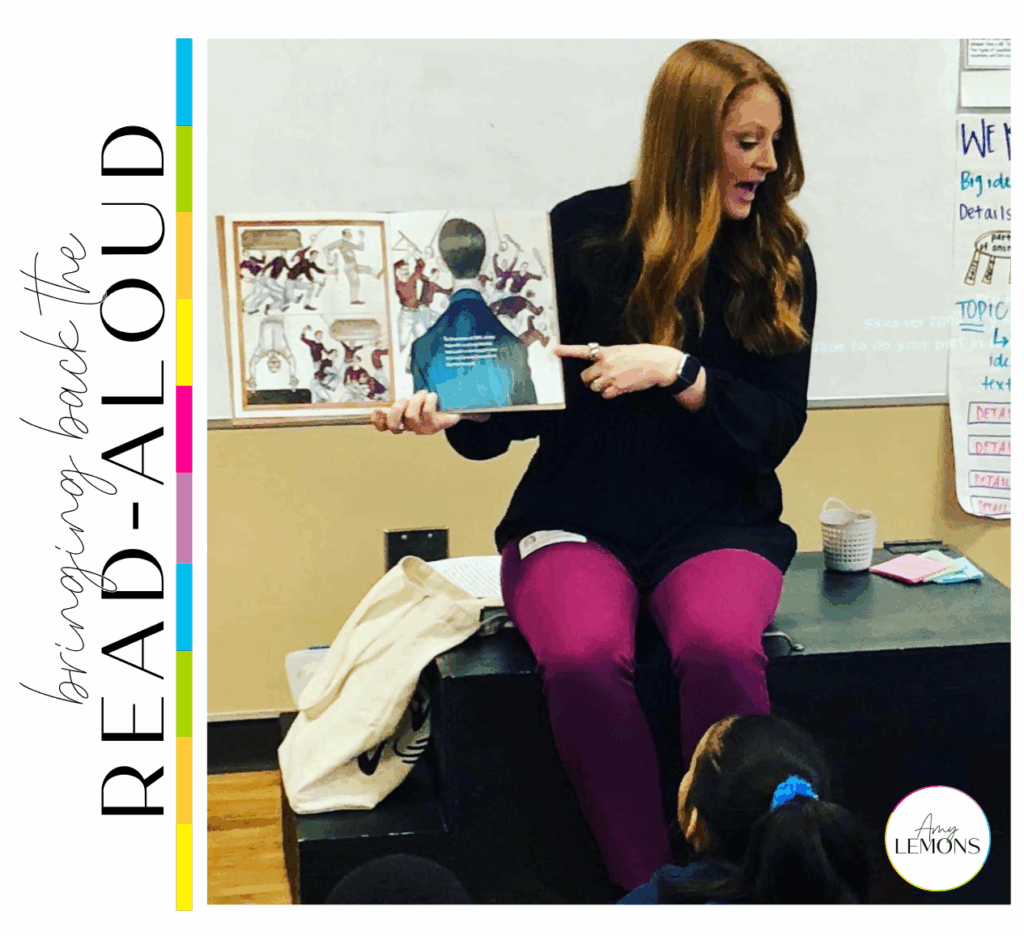
If your schedule feels tight, you don’t need to overhaul your entire routine. You just need a few small shifts to make story time fit your classroom again.
Start small. Even five or ten minutes a day can make a difference. A short story before lunch, a picture book to end the day, or a chapter right after recess… it all counts.
Connect it to your content. Choose books that naturally align with what you’re already teaching. A science unit on animals? Read The Great Kapok Tree. Learning about voting or the election process? Try Grace for President. You’ll still be hitting standards, but in a more meaningful way.
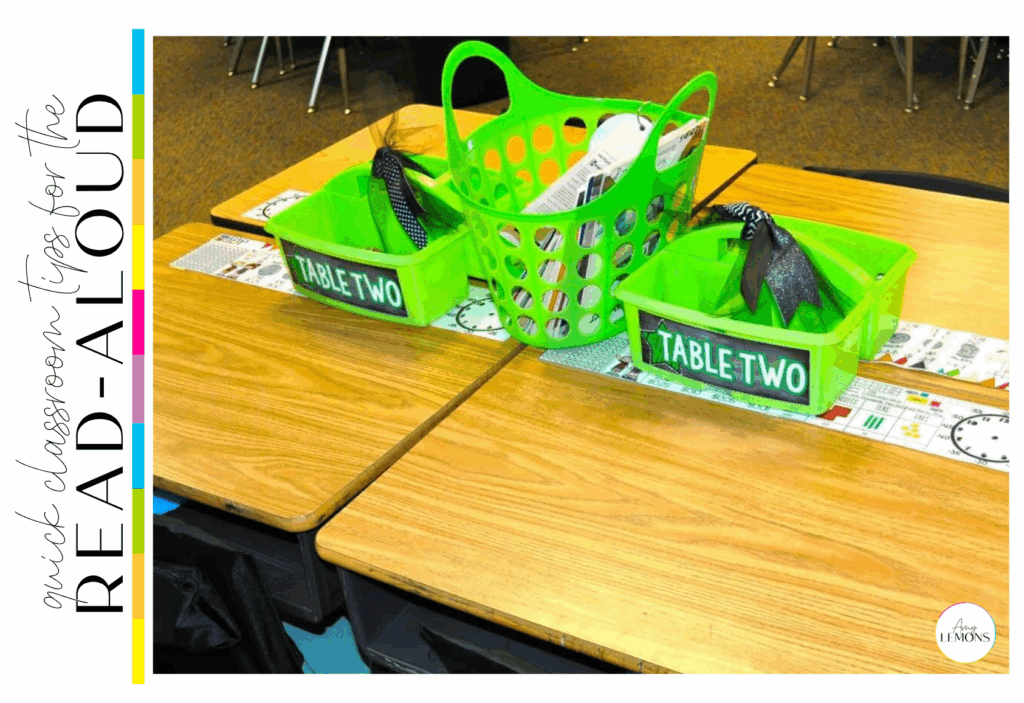
Let the books be visible. Keep a stack of picture books on display or in a special bin labeled “Our Read-Alouds.” The more students see them, the more they’ll reach for them on their own.
Read for fun sometimes. Not every book has to come with a graphic organizer or comprehension assessment. It’s okay to read just because it’s fun. Those are the stories kids remember. If you need a book to get started, check out my favorite “just for fun” picture books.
Make it routine. Whether it’s “Relax & Read-Aloud” after recess or “Afternoon Adventures,” consistency turns your read-aloud into something your students look forward to. It can become a steady moment of calm and connection in a busy day.
A Gentle Challenge to Read Aloud to Kids
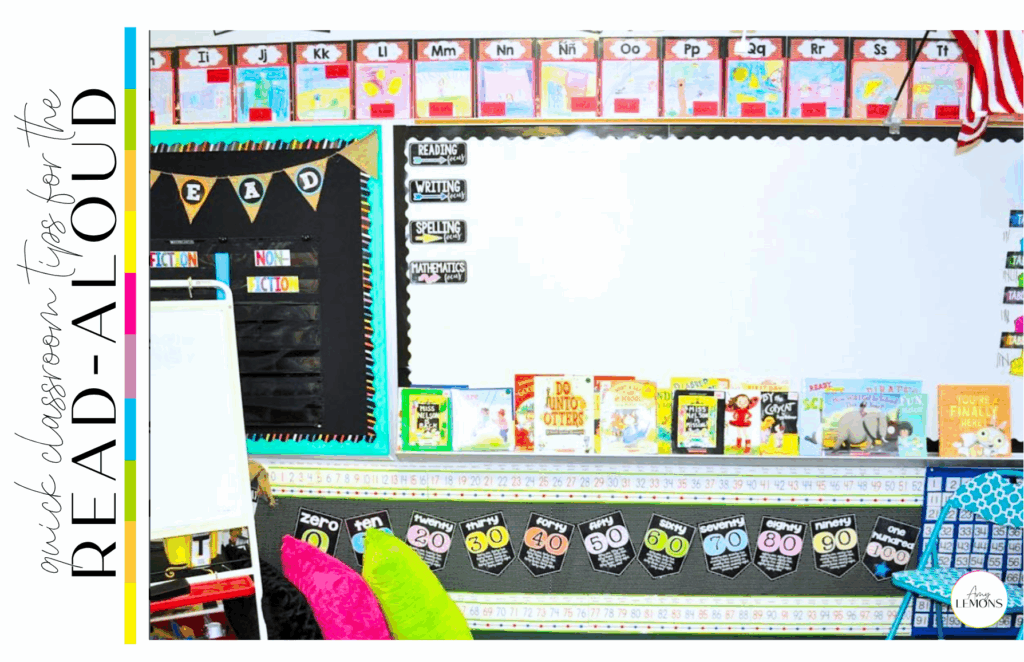
If you’ve noticed the read-aloud slipping from your schedule, consider this your friendly reminder that it’s worth bringing back.
Take a moment to reflect:
- When was the last time your class experienced a story together from the start to finish, just for the joy of it?
- What might change in your classroom if story time became a daily ritual again?
Read-alouds don’t require prep, technology, or a new program. They just require us…our voices, our enthusiasm, and our belief that stories still matter.
Because at the end of the day, if we want students to love reading, they have to see us loving it too.
Quick Classroom Tips and Tangible Teacher Take-Aways
- Keep a list of your class’s favorite read-alouds on a bulletin board.
- Let students vote on the next book.
- Invite parents, school staff, or people in the community to be a “guest reader.”
- Utilize your school’s library. Check out books on specific topics that your class is studying so that they can continue their learning even into independent reading time.
- Put baskets of books where students can easily access them to enjoy after completing classroom work.