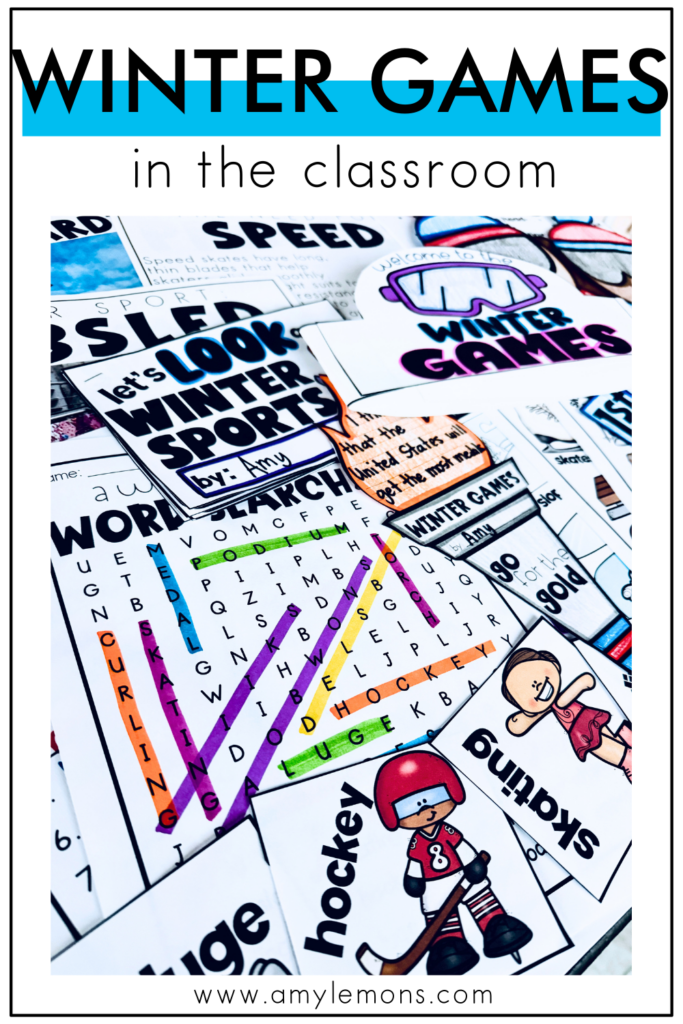
Winter sports are suddenly everywhere…on TV, online, and in student conversations. Kids are noticing the speed, the gear, and the excitement, and their curiosity is hard to miss. Instead of letting that interest stay outside the classroom, it’s the perfect opportunity to bring it into our learning through nonfiction reading, creative writing, and hands-on winter fun.
When students are already curious, we can lean into that momentum by building background knowledge, exploring nonfiction texts more deeply, and extending learning with a creative project that lets students design a winter sport of their own.
Build Background Knowledge with Winter Sports
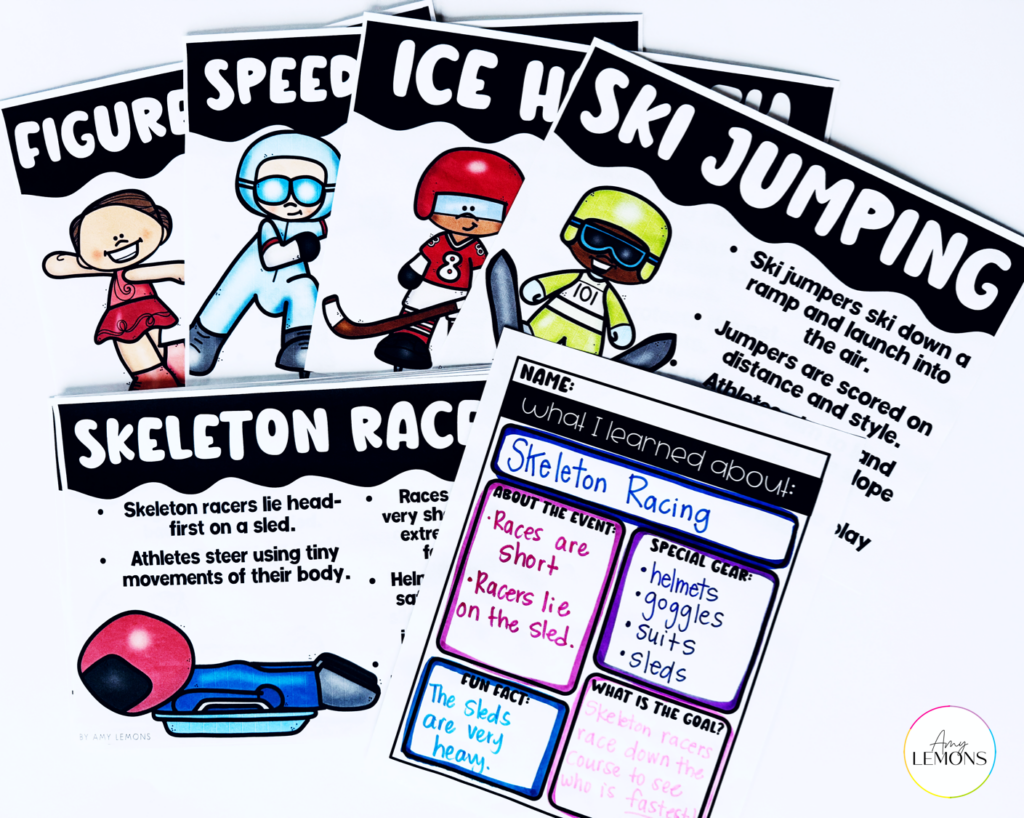
Before students can create their own winter sport, they need exposure to existing winter sports. Many students have limited experience with winter sports, so starting with visuals and simple information is key.
Short, kid-friendly videos are a great introduction to what different winter sports look like in action. Watching athletes move, compete, and use equipment helps students quickly understand what makes each sport unique.
These videos are paired with quick winter sports fact sheets that highlight key information in an easy-to-understand format. This combination engages students with just enough information to start meaningful conversations without overwhelming them.
Dive Deeper with Nonfiction Readers
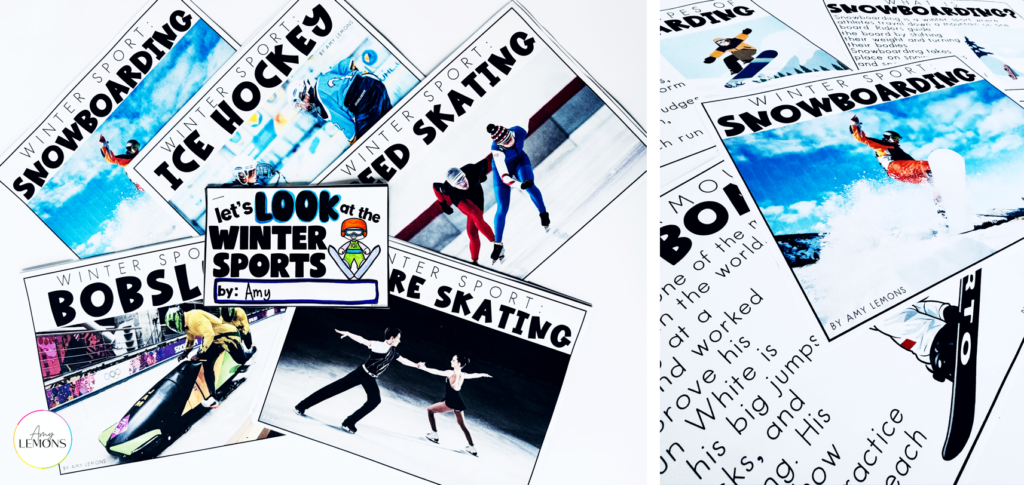
Once students have a general understanding of several winter sports, we choose a few to explore more deeply. Winter sports-focused nonfiction readers are perfect for this next step because they slow the learning down and allow students to focus on details.
As we read together, students learn more about how each sport is played, what equipment is used, and what athletes must do to be successful. This deeper background knowledge helps students begin noticing patterns across sports, which becomes especially helpful when they later design their own.
Introduce the Create Your Own Winter Sport Project
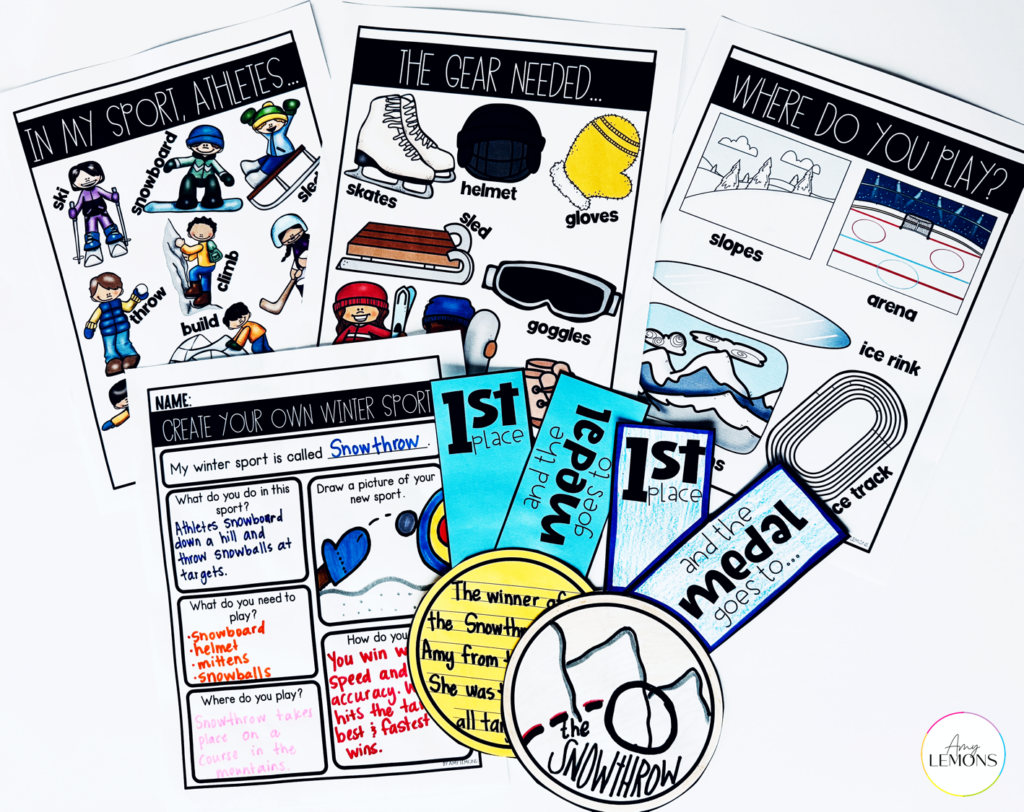
After building a strong foundation, it’s time to introduce the main event: creating a brand-new winter sport.
This is where students get excited. They love the idea that there are no right or wrong answers and that their creativity matters. Because students already understand how winter sports work, they’re able to approach this project with confidence instead of uncertainty.
At this stage, I explain that they’ll be designing a sport just like the ones they’ve learned about, complete with a goal, actions, and equipment.
Use Build-a-Sport Cheat Sheets to Kickstart Brainstorming
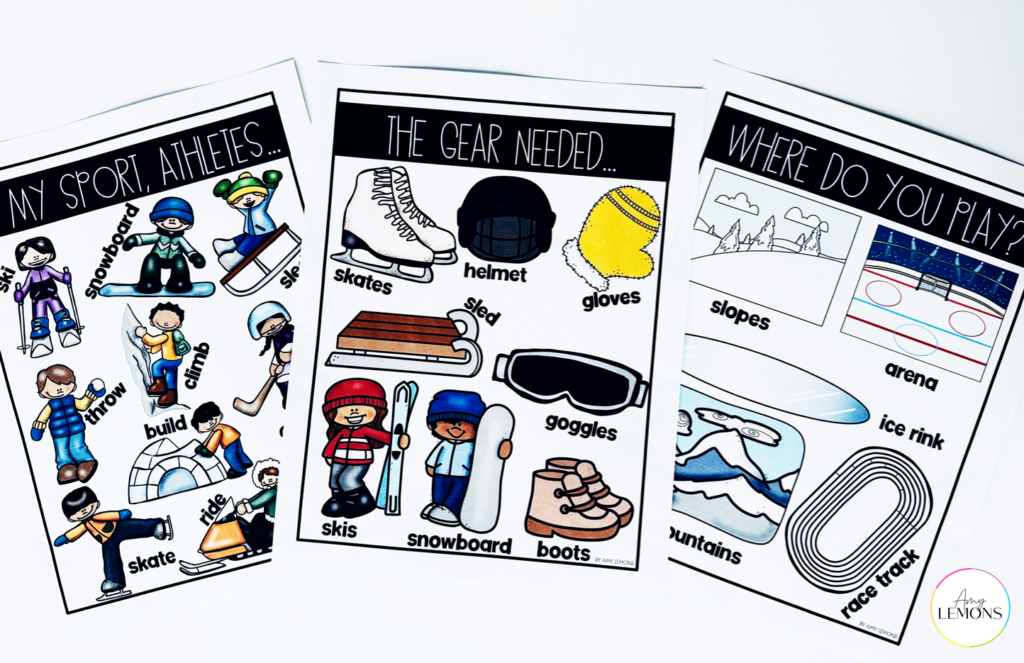
To support students during the planning stage, we use Build-a-Sport cheat sheets. These provide structure without limiting creativity and help students think intentionally about their ideas.
Students brainstorm:
- The goal of their sport (what the athlete does)
- The gear or equipment needed
- Where the sport takes place
Breaking the brainstorming into clear categories helps students organize their thinking and prevents the “I don’t know what to do” moment that can happen with open-ended projects.
Create the Winter Sport and Create a Medal
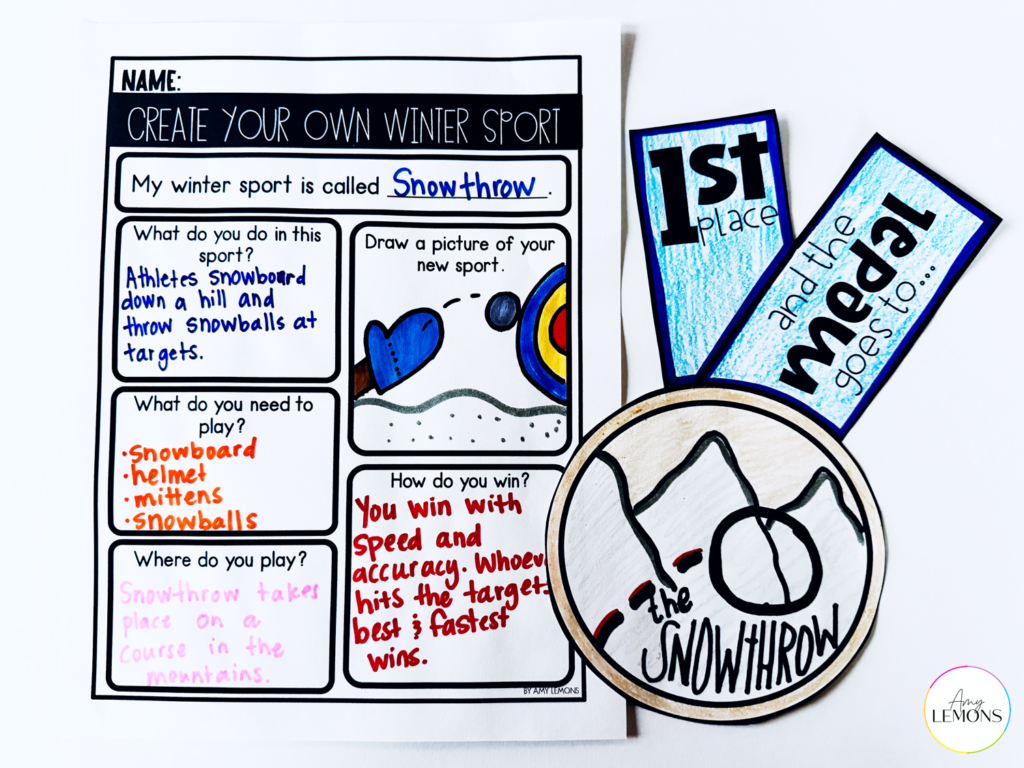
Once the planning is complete, students begin building out their winter sport by writing and drawing. They explain how the sport works, what the athlete does, and what makes the sport special. This step combines creativity with purposeful writing and allows students to apply vocabulary and concepts they’ve learned.
To finish the project, students create a medal to go along with their sport. Designing the medal adds a fun, celebratory element and gives students another way to represent their ideas visually.
It’s also a great opportunity for students to explain why their medal design fits their sport.
Add More Winter Sports Fun
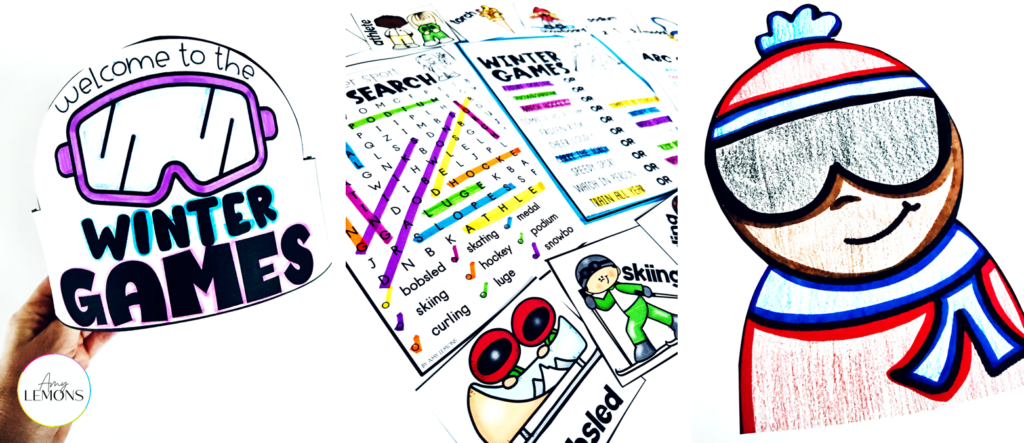
To keep the momentum going, I like to incorporate a few additional winter sports activities that reinforce learning while keeping things light and engaging.Students can wear a winter sports hat or headband during activities, complete themed printables to practice vocabulary and comprehension, and follow step-by-step directions to draw a winter athlete.
These activities help wrap up the learning in a way that feels fun while still supporting key academic skills.